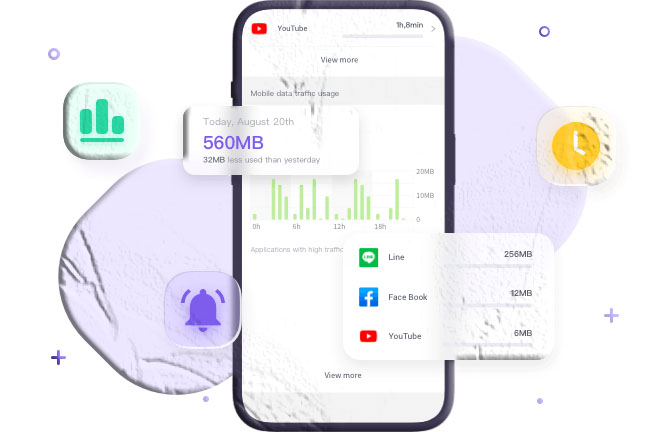


Modern parenting comes with challenges no previous generation had to face — and screen time is one of the biggest. With smartphones, tablets, and gaming devices always within reach, kids today spend more hours than ever in front of screens. While technology can be educational and entertaining, too much of it can affect sleep, attention, mood, and overall well‑being.
If you’re looking for practical ways to help your child build a healthier relationship with technology, screen time management apps can make a world of difference. This guide breaks down the best screen time apps for kids’ phones, how they work, and what parents should know before choosing one.
How We Selected the Best Screen Time Apps
To help you find reliable tools, this guide evaluates apps based on:
- Ease of use — Simple, intuitive interfaces for busy parents.
- Compatibility — Smooth performance on both Android and iOS devices.
- Core features — Time limits, schedules, app blocking, reports, and more.
- Support quality — Responsive customer service and regular updates.
- Value — Free options, free trials, and affordable premium plans.
Each app below is rewritten from scratch based on the features described in your document, with neutral and parent‑friendly language.
Best Screen Time Apps for Kids’ Android Phones
1. FreeSpy Parental Control & Screen Time App
FreeSpy offers a comprehensive set of tools to help parents guide their children’s digital habits. It allows you to set daily limits, restrict specific apps, and create routines that support healthy device use.
Key Features
- Set time limits for the entire device or specific apps.
- Create schedules for study time, bedtime, family time, or screen‑free hours.
- Whitelist essential apps that should always remain accessible.
- Apply different rules based on location (e.g., no games at school).
- View daily and weekly activity reports.
Beyond screen time, FreeSpy includes location tracking, live screen viewing, and the ability to monitor notifications from social apps.
Pros
- Simple, user‑friendly interface.
- Option to run the app in hidden mode.
- Developed by an experienced team.
Cons
- Screen time management works only on Android devices.
Free Trial & Pricing
- 3‑day free trial
- Monthly: $9.99 for 2 devices
- Quarterly: $19.99
- Yearly: $59.99 for up to 10 devices
2. Kidslox Screen Time Parental Control
Kidslox focuses on straightforward screen time management with quick‑lock features and flexible scheduling.
Key Features
- One‑tap device lock.
- Custom schedules for apps and screen time.
- Ability to grant extra time for completing tasks.
- Kids can request additional time through the app.
Kidslox also includes location tracking and content filtering.
Pros
- Fast updates.
- Clean, intuitive design.
Cons
- Some apps may remain accessible when blocked.
- Occasional inaccuracies in time tracking.
- Children may find ways to disable it.
Free Trial & Pricing
- 3‑day free trial
- Yearly: $49.99 for 1 device, $79.99 for 10 devices
3. FamilyTime Screen Time Control App
FamilyTime offers customizable rules and pre‑set routines to help parents manage device use throughout the day.
Key Features
- Limit screen time and app usage.
- Built‑in routines for bedtime, homework, and meals.
- One‑tap app blocking.
Additional features include location tracking, internet filtering, and driving safety alerts.
Pros
- Free version includes app usage tracking.
- 3‑day premium trial.
- Easy‑to‑navigate interface.
Cons
- Free version does not include screen time limits.
- No warnings when time is nearly up.
- Occasional missing app usage data.
Free Trial & Pricing
- 3‑day free trial
- Yearly: $29 for 1 device, $49 for 3 devices, $69 for 5 devices
4. Qustodio Screen Time Control App
Qustodio is a well‑known parental control app offering strong monitoring tools and flexible screen time settings.
Key Features
- Daily time limits and custom schedules.
- Internet pause button.
- Activity monitoring for apps, calls, texts, and social media.
- Emergency alert button for kids.
Pros
- Free version includes daily screen time limits.
- Clear, easy‑to‑use dashboard.
Cons
- App‑specific limits require a paid plan.
- No separate rules for individual apps in the free version.
- Tech‑savvy teens may bypass restrictions.
Free Trial & Pricing
- Free basic version
- Premium: $54.95–$99.95 per year
Best Screen Time Apps for Kids’ iPhones
1. OurPact Parental Control & Screen Time App
OurPact helps families create healthy digital routines with customizable schedules and app permissions.
Key Features
- Daily device limits.
- Schedules for bedtime, meals, and family time.
- App‑specific permissions (allow, block, or schedule).
- Text blocking and safe browsing tools.
- Geofencing for location alerts.
Pros
- Free scheduling features.
- Attractive, easy‑to‑use interface.
- Supports multiple devices.
Cons
- App‑specific controls require a paid plan.
- Some delays when blocking or unblocking apps.
Free Trial & Pricing
- Free basic version
- Monthly: $6.99–$9.99
- Yearly: $69.99–$99.99
2. Bark Screen Time Limit App
Bark uses advanced algorithms to help parents monitor screen time and detect potential online risks.
Key Features
- AI‑powered monitoring across multiple devices.
- Custom screen time limits and schedules.
- Alerts for concerning online behavior.
- Detailed activity reports.
Pros
- User‑friendly interface.
- Strong risk detection tools.
Cons
- Occasional false positives.
Free Trial & Pricing
- 7‑day free trial
- Monthly: $14
3. Apple’s Built‑In Screen Time
Apple’s native Screen Time feature provides essential tools without requiring any downloads.
Key Features
- Downtime scheduling.
- App category limits.
- Content and privacy restrictions.
- Passcode protection for settings.
Pros
- Free and built into iOS.
- Reliable and easy to use.
Cons
- Available only on iOS 12 and later.
Pricing
- Free
4. FamiSafe Screen Time Limit App
FamiSafe offers a wide range of parental controls, including screen time limits, app blocking, and content filtering.
Key Features
- Smart schedules for screen time.
- App usage monitoring and limits.
- Blocking of inappropriate apps.
- Location tracking and web filtering.
- In‑app purchase blocking.
Pros
- 3‑day free trial.
- Frequent updates.
Cons
- Occasional timing inaccuracies.
- Some apps may not track correctly.
Free Trial & Pricing
- 3‑day free trial
- Monthly: $9.99 for 5 devices
- Quarterly: $19.99 for 10 devices
- Yearly: $59.99 for unlimited devices
How Much Screen Time Is Too Much?
According to the American Academy of Pediatrics (AAP), children today spend an average of 7 hours per day across TVs, tablets, phones, and computers. The AAP recommends:
- Under 18 months: No screen time except video calls.
- 18–24 months: Only educational content with a caregiver.
- Ages 2–5: About 1 hour per weekday and up to 3 hours on weekends.
- Ages 6+: Encourage balanced habits and consistent limits.
Most children exceed these guidelines, which is why screen time apps can be helpful tools for families.
Tips to Help Kids Build Healthier Screen Habits.
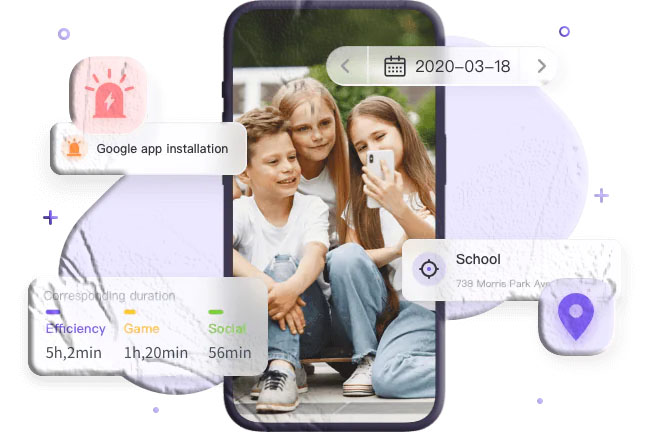
- Prioritize family time: Engage in daily conversations without devices.
- Plan screen time together: Set expectations collaboratively.
- Reduce gradually: Start with small reductions, such as 20 minutes per day.
- Be a role model: Show healthy habits by limiting your own screen use.
- Encourage alternatives: Outdoor play, reading, hobbies, and creative activities.
- Keep devices out of sight: Especially during meals and bedtime.
Healthy digital habits start early — and consistency makes all the difference.
Conclusion
Managing screen time doesn’t have to be a battle. With the right tools and a supportive approach, parents can help children enjoy technology while maintaining balance in their daily lives. Whether you choose a built‑in option like Apple’s Screen Time or a more advanced parental control app, the goal is the same: to guide kids toward healthier, more mindful digital habits.